
Hyperbaric Chambers
Hyperbaric Chamber Cost Explained:
September 21, 2026
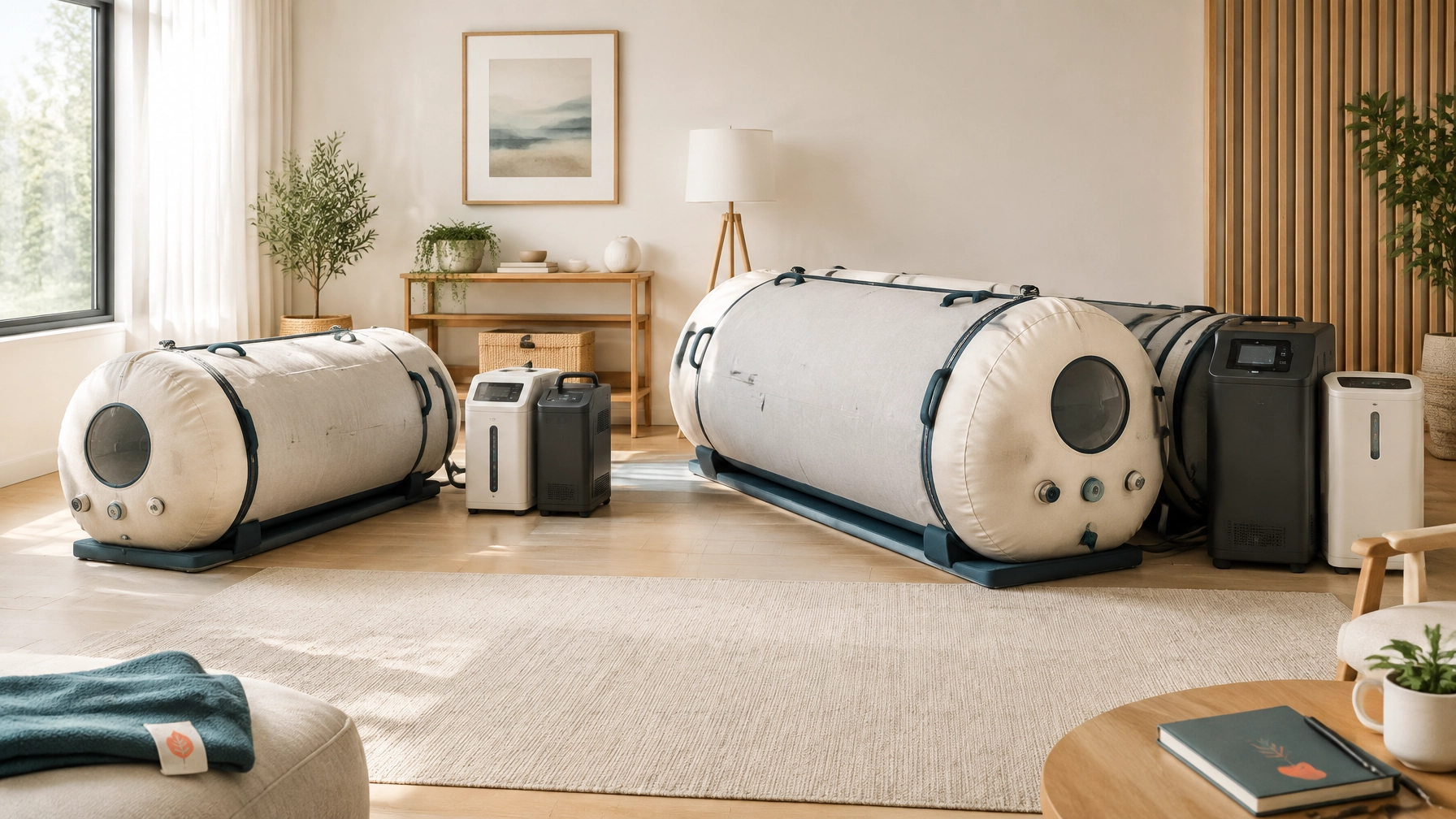
A hyperbaric chamber purchase rarely ends with the chamber price alone. The total investment may also include oxygen equipment, delivery, setup, electrical work, maintenance, and financing costs.
That distinction matters when comparing a chamber priced near $12,000 with one priced near $17,000. The higher price may reflect different pressure capability, oxygen and air flow, controls, included equipment, or intended operating context. It does not automatically indicate that the chamber is the better fit for your environment.
This guide uses the currently published specifications for the Skybaric Go and Skybaric Pro as reference points. Prices and specifications were checked against manufacturer information through the Vitality Engaged chamber comparison on October 3, 2026.
1. Start with the chamber price, not the total investment
The two reference models sit at different points in the current Skybaric range:
Skybaric Go: $11,999
Skybaric Pro: $16,999
Price difference: $5,000
The Skybaric Go is listed as a single-user soft chamber with a lying configuration and a working pressure of 1.5 ATA.
The Skybaric Pro is listed as a single-user soft chamber with a lying configuration and a working pressure of up to 2.0 ATA.
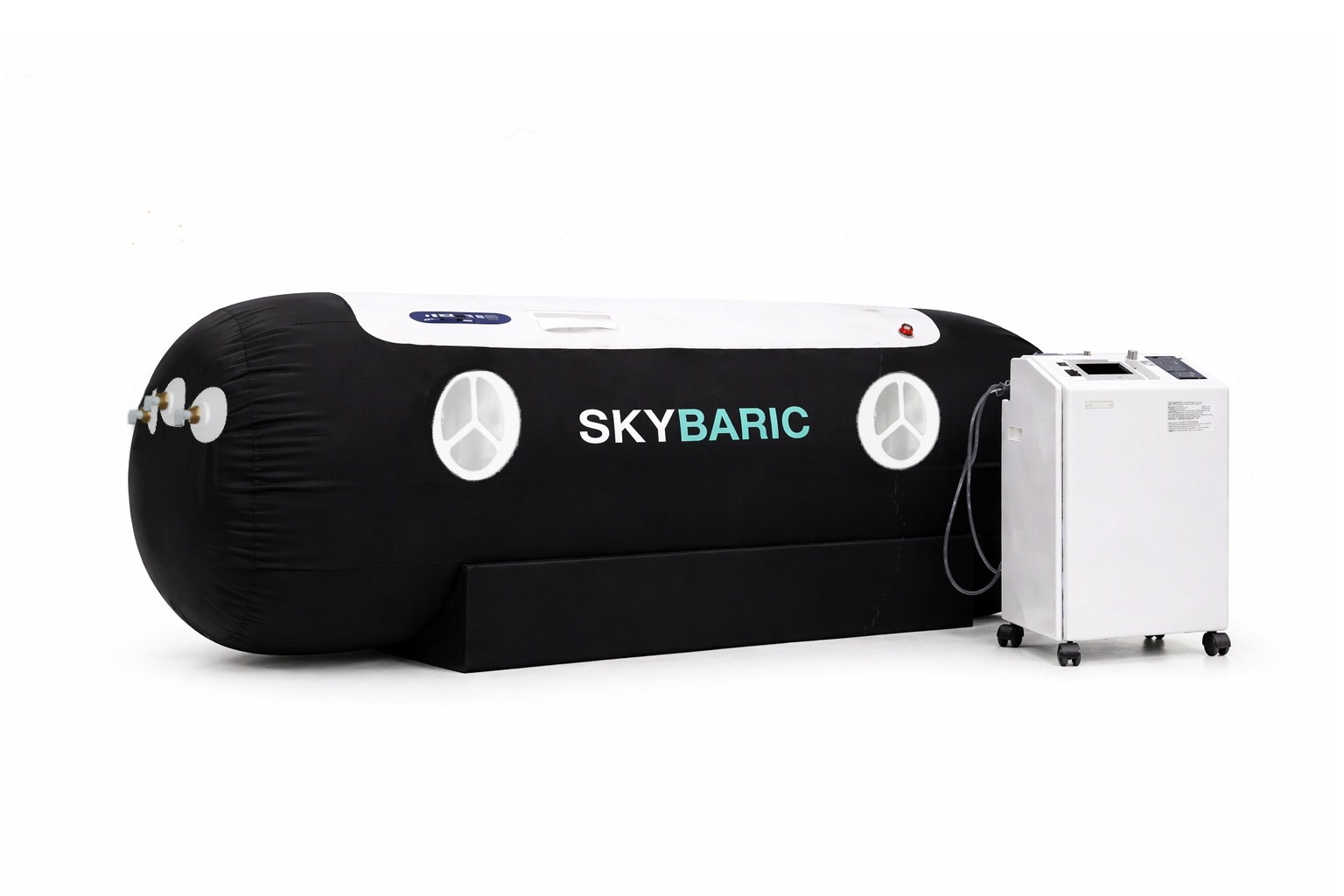
The published chamber price is an important starting point. It is not necessarily the amount that will appear on your final budget. Check whether the listed price includes the oxygen concentrator, air compressor, protective cover, mattress or chair, delivery, training, and any applicable taxes.
The manufacturer lists included equipment for both models. The exact contents differ by configuration.
2. Understand what the $12K chamber includes
Skybaric Go. Lower price. 1.5 ATA. Lying configuration.
The Skybaric Go is listed at $11,999. Its published specifications include:
Position: Lying
Working pressure: 1.5 ATA
Capacity: Single user
Diameter: 36 inches
Weight: 40 pounds
Oxygen flow: 10 L/min
Air flow: 120 L/min
Included equipment: Oxygen concentrator, air compressor, protective cover, inner bracket, memory foam mattress, remote control, and silencers
Warranty: 1 year
The manufacturer describes the model as lightweight and easy to store and move. The source page does not publish full exterior dimensions beyond the 36-inch diameter. That information should be confirmed before delivery, particularly if the chamber will be used in a smaller room.
The $12K price therefore represents more than a fabric chamber alone. It includes several pieces of the operating system. Even so, you should verify whether freight, local delivery, setup assistance, taxes, and future replacement parts are included in your quote.
See the Skybaric Go specifications and the manufacturer’s Skybaric Go product page.
3. Understand what the $17K chamber changes
Skybaric Pro. Higher pressure capability. Higher equipment specification.
The Skybaric Pro is listed at $16,999. Its published specifications include:
Position: Lying
Working pressure: Up to 2.0 ATA
Capacity: Single user
Diameter: 36 inches
Oxygen flow: 15 L/min
Air flow: 180 L/min
Included equipment: Oxygen concentrator, air compressor, protective cover, inner bracket, memory foam mattress, dual 7-inch touchscreens or touchscreen remote, and silencers
Warranty: 1 year
The primary specification difference is pressure capability. The Pro is listed at up to 2.0 ATA, while the Go is listed at 1.5 ATA. The Pro also has higher published oxygen and air flow rates and more advanced control hardware.
Those are equipment differences. They are not, by themselves, evidence of better outcomes for every user. The appropriate pressure range depends on your intended use, professional guidance, operating environment, and the requirements you are prepared to manage.
The Pro page does not currently publish a verified weight or full portability specification. That may matter if the chamber must be moved, stored, or installed in a shared professional setting.
See the Skybaric Pro specifications and the manufacturer’s Skybaric Pro product page.
4. Compare the total investment categories
The $5,000 difference between the two chamber prices is only one part of the decision. A complete budget should account for the items below.

Chamber
This is the published product price. Confirm whether the price is for the chamber only or for a package that includes the oxygen concentrator, compressor, controls, and other equipment.
Oxygen system
Both reference models list an oxygen concentrator and air compressor as included equipment. Confirm the stated flow rates, included hoses and masks, power requirements, and replacement filter requirements.
An oxygen system may also affect room placement. Consider ventilation, noise, access to outlets, and the distance between the chamber and the equipment.
Delivery and setup
The manufacturer describes installation as easy for the Go and Pro. “Easy installation” does not necessarily mean that delivery to the final room, assembly assistance, user training, or removal of packaging is included.
Ask for these details in writing:
Delivery location
Freight or residential delivery charges
Room-of-choice placement
Assembly or setup assistance
Training and operating instructions
Packaging removal
Return or damage-inspection procedures
Electrical requirements
Many home-oriented systems use standard residential electrical service, but the exact requirements should be confirmed for the chamber, compressor, and concentrator together.
A business may have additional considerations. A dedicated circuit, equipment placement rules, inspection requirements, or local code review may affect the budget. A professional facility should also consider how the chamber fits into its existing safety and operating procedures.
Maintenance and replacement parts
Review the expected maintenance schedule before purchase. Ask about:
Oxygen concentrator filters
Compressor filters
Hoses and masks
Zippers, seals, and valves
Pressure gauges and relief systems
Communication equipment
Warranty coverage
Service response times
Costs outside the warranty period
The first-year maintenance cost may be modest compared with the purchase price, but it should still be included in the ownership plan.
5. See the $12K and $17K figures as different budget paths

A $12K chamber budget may be appropriate when the published configuration aligns with your needs and the room requires little preparation.
A $17K chamber budget may reflect a higher-pressure configuration and higher equipment specification. It may also leave less budget available for delivery, electrical work, or first-year service if the $17K is treated as an all-in limit.
The key distinction is simple:
A $12K or $17K chamber price is not the same as a $12K or $17K total project budget.
Before comparing models, decide which figure you are using:
Product price only
Product plus delivery
Product plus setup and equipment
First-year ownership cost
Fully financed project cost
These categories should not be mixed. A lower chamber price may have a higher final cost if important equipment or services are excluded.
6. Review financing as a total-cost question
The comparison page lists financing availability through the manufacturer, including Shop Pay and Affirm eligibility. Eligibility, interest rate, fees, down payment, and term can vary. Review the actual offer before treating financing as part of the budget.
For illustration only, financing the chamber price over 60 months at a hypothetical 9% APR would produce approximate principal-and-interest payments of:
$11,999: about $249 per month
$16,999: about $353 per month
These figures exclude taxes, delivery, accessories, and financing fees. If those costs are added to the financed amount, the monthly payment increases.
A professional buyer should also compare payment terms with expected utilization. A chamber used regularly by several paying clients has a different financial model from a chamber used occasionally at home. Neither use case makes the purchase automatically economical. The relevant question is whether the equipment, support, and operating costs match the expected use.
7. Match the specification to your environment
The Skybaric Lounge is another reference point in the same product range. It is listed at $12,500 and uses a seated or reclined configuration at 1.5 ATA. That configuration may matter more than a small price difference for someone who does not prefer a lying position.
Review the Skybaric Lounge specifications when seating, room layout, or client turnover is important.
For a home environment, consider:
Available floor area
Storage between sessions
Noise from the compressor and concentrator
Ease of entry and exit
Whether the lying or seated configuration fits your routine
Access to appropriate electrical outlets
Who will operate and maintain the system
For a business, add:
Client flow
Cleaning procedures
Staff training
Scheduling capacity
Service response
Commercial-use documentation
Insurance and local requirements
The Vitality Engaged business guidance provides a separate starting point for commercial equipment planning.
8. Use a written quote before deciding
A useful quote should identify what is included and excluded. Ask the manufacturer or authorized supplier to separate the following line items:
Chamber
Oxygen concentrator
Air compressor
Mattress or chair
Controls and communication equipment
Delivery
Setup
Training
Taxes
Electrical work
Maintenance
Replacement parts
Financing charges
Then compare the two configurations on the same basis.
Vitality Engaged does not manufacture or sell the chambers it evaluates. Our role is to organize published specifications, identify practical differences, and help you compare fit across environments, budgets, and priorities. Some manufacturer links may be affiliate links; see our affiliate disclosure.
The $12K versus $17K decision is not only about the extra $5,000. It is about what that additional cost changes, what remains excluded, and whether those differences matter after delivery.
Compare the complete investment. Then match the equipment to your actual use.
This article is for general purchasing research and is not medical advice. Consult an appropriately qualified professional about whether hyperbaric use is suitable for you or your clients.